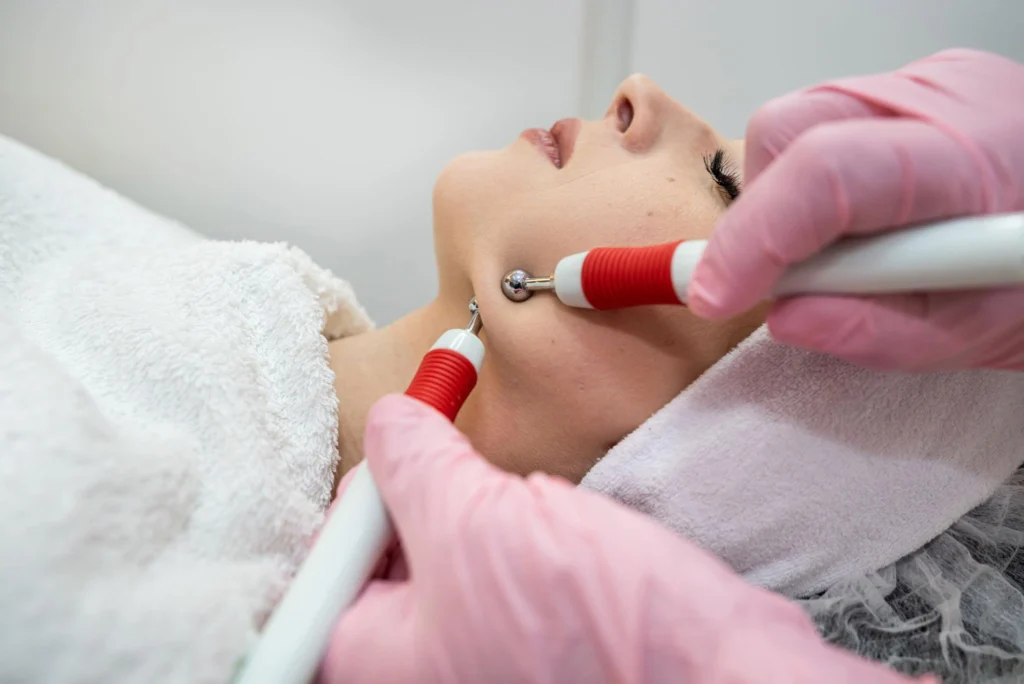

Ensuring client safety is a foundational pillar of any effective microcurrent therapy program. As this technology becomes more widely adopted in aesthetics, dermatology, rehabilitation, and wellness, clear guidance on when it is safe to use microcurrents and what risks may be involved helps build trust for both practitioners and clients.
This page highlights who should avoid microcurrent, common side effects, device hygiene protocols, and best practice approaches to screening and informed consent. The goal is to help clinicians and educated consumers understand not just how microcurrents work, but how to use them responsibly.
Who Should Avoid Microcurrent?
As a whole body of empirical evidence, microcurrent therapy is generally considered safe for most people when applied appropriately.
Clinical evidence shows that microcurrent therapy can significantly improve healing outcomes in chronic wounds, with treated pressure ulcers showing an improvement of up to 25.3 percent greater healing compared with sham stimulation groups in controlled trials (Ullah et al., Effectiveness of Microcurrent Therapy for Pressure Ulcers, 2025) .
However, there are specific conditions and risk factors that should either rule out treatment or require consultation with a clinician before proceeding.

1. Implanted Electronic Devices
Clients with pacemakers, defibrillators, or other implanted electronic devices should avoid microcurrent therapy unless cleared by a physician. Implanted devices may interpret even low‑level electrical currents as interference, which can disrupt normal device operation.
According to a safety overview of electrical stimulation in clinical settings, electrical currents can interfere with pacemaker sensors and feedback loops, especially when applied close to the chest area.
Action: Screen all clients for implanted devices. If present, defer treatment until after medical clearance.
2. Pregnancy Precautions
Pregnancy is not an absolute contraindication, but many providers follow a precautionary principle. There is limited research on microcurrent exposure during pregnancy, so most clinicians prefer to avoid treatment over the abdomen, pelvic area, and low back in pregnant clients.
Action: If a client is pregnant or suspects pregnancy, refer them to their care provider for clearance before any microcurrent intervention. Proceed only with clinician clearance and conservative protocols.
3. Seizure Disorders and Neurological Conditions
Individuals with a history of seizure disorders, epilepsy, or certain neurological conditions may require special precautions. While microcurrents operate at very low levels and are not intended to trigger neuronal firing, the presence of abnormal electrical activity in the brain warrants caution.
Action: Obtain a full medical history and consult with the client’s neurologist or primary care provider before treatment.
4. Active Cancer or Malignant Lesions
Clients with active cancer or malignant lesions in the treatment area should not receive microcurrent therapy without clearance from their oncology team. There is no evidence that microcurrents cause cancer, but active disease areas are typically excluded from elective treatments.
Action: Require medical clearance and documented consent, and proceed only if cleared by the client’s oncologist.
5. Open Wounds, Severe Skin Breakdown, or Active Inflammation
While microcurrents are used in controlled clinical wound care under professional supervision, cosmetic microcurrent treatments should avoid areas with open wounds, severe skin breakdown, or active inflammation to prevent irritation or infection risk.
Action: Assess skin quality before treatment. If active wounds or irritation are present, postpone the session.

Common Side Effects and What to Do
Even with safety screening, minor side effects may occur. These are generally transient and manageable with simple interventions.
1. Mild Tingling or Sensation
Some clients feel mild tingling or pulsing during treatment. This is usually temporary and can be modified by adjusting intensity, electrode position, or session duration.
What to do: Reduce current intensity or adjust electrode placement. Provide hydration before and after treatment.
2. Temporary Redness
Redness in the treatment area can occur due to increased circulation or mild skin sensitivity.
What to do: Advise cool compresses and avoidance of heat or sun exposure for several hours. Use gentle moisturizers or barrier serums as needed.
3. Headache or Fatigue
A small percentage of clients report headache or fatigue after treatment, often due to fluid shifts, stress relief, or extended session time.
What to do: Encourage rest, hydration, and mild movement like walking. Document the response for future protocol adjustments.
4. Skin Sensitivity or Irritation
Irritation can happen from conductivity gels, skincare combinations, or overuse in sensitive areas.
What to do: Switch to hypoallergenic conductive media and tailor protocols to the individual’s skin tolerance.
Monitoring Tips
Track all client responses in a treatment log. If any unexpected or persistent symptoms arise, consult a healthcare provider and adjust future treatment protocols.
Device Hygiene and Infection Control
Maintaining cleanliness and infection control standards is vital in professional settings. Microcurrent devices come into direct contact with the skin and, in some cases, with conductive gels, which can harbour microbes if not cleaned and stored properly.
1. Clean and Sanitize Electrodes and Probes
Electrodes and probe surfaces should be cleaned before and after each session. Use hospital‑grade disinfectants appropriate for electronics and adhere to manufacturer recommendations.
2. Conductive Media Management
Conductive gels and lotions should be dispensed hygienically to avoid contamination. Avoid double‑dipping into product containers. Use single‑use packets or pump dispensers.
3. Hand Hygiene for Practitioners
Practitioners should wash or sanitize their hands before treatment. Gloves may be worn for additional caution when needed.
4. Clinic Environment Standards
Treatment rooms should follow standard clinical hygiene protocols, including:
- Regular surface disinfection
- Clean linens or disposable covers
- Waste disposal according to local regulations
Maintaining these protocols not only minimizes risk but also enhances client trust.
Best Practices Checklist
Below is an actionable checklist clinicians can use to screen and document client suitability for microcurrent therapy.
Client Screening Form Essentials
- Medical history with a focus on heart conditions and seizure disorders
- Status of implanted electronic devices
- Pregnancy status or family planning considerations
- Skin assessment (open wounds, dermatitis, active inflammation)
- Current medications, especially photosensitizers or skin‑sensitizing drugs
Informed Consent Overview
Before the first session, clients should receive written informed consent covering:
- What microcurrent therapy is and what it is not
- Expected sensations and common outcomes
- Possible side effects
- Contraindications and risk factors
- The client’s right to withdraw consent at any time
Ensure clients sign and date consent forms and that a copy is retained in their file.
Putting It All Together
Safety and risk management are not afterthoughts. The Canadian aesthetic medicine market is growing rapidly, with non-invasive procedures identified as the fastest-growing segment, reflecting increasing patient demand for safe, minimally invasive treatments like microcurrent therapy (Grand View Research, Canada Aesthetic Medicine Market Size & Outlook, 2025).
They are core components of any responsible microcurrent practice. By carefully screening clients, managing side effects, maintaining rigorous hygiene protocols, and using informed consent, clinicians protect clients and build long‑term trust.
When clients understand that their safety is a priority, they are more likely to commit to ongoing treatment plans and become long‑term advocates of your practice.
Ready to Learn More?
Curious how microcurrent therapy performs in real clinical environments? Explore our case studies to see documented outcomes, treatment protocols, and practitioner insights.
Want to understand the science behind the technology itself? Visit our page on how microcurrents work for a deeper look at the biological mechanisms behind this therapy.