Understanding the science behind microcurrent therapy
Crucial to understanding the function of microcurrent therapy is comprehending the fact that it harnesses the body’s own natural bioelectricity to support cellular and tissue function. Unlike TENS or EMS, which focus on surface stimulation or muscle contraction, microcurrents work at the sub-sensory level to influence physiological processes that drive recovery, repair, and overall tissue health.
This page explains how microcurrent therapy functions at the cellular and tissue levels, and what factors impact its effectiveness.

Bioelectricity Basics
The human body communicates and heals through tiny electrical currents, often called endogenous currents. These currents naturally flow in healthy tissues and are critical for processes like wound repair, nerve signalling, and inflammation modulation.
When tissue is injured, the body generates injury potentials – small electrical differences across damaged tissue that guide cellular migration and repair. Microcurrent therapy supplements these signals, helping cells respond more efficiently without causing sensation or fatigue.
The human body communicates and heals through tiny electrical currents known as endogenous bioelectric signals. These currents flow naturally in healthy tissue and are essential for wound repair, nerve signalling, and inflammation regulation. When tissue is damaged, the body generates injury potentials, which are small electrical gradients across the wound that direct cell migration and regeneration. Researcher Robert O. Becker described electrical fields as a controlling factor in tissue growth and healing (Becker, The Body Electric, 1985).
Cellular Effects of Microcurrents
Microcurrents influence core biological processes at the cellular level, particularly those involved in repair, signalling, and energy production. Because these currents operate in the microamp range, they closely resemble the body’s own bioelectric activity rather than forcing an artificial response.
One of the most cited cellular effects of microcurrent stimulation is increased ATP synthesis. ATP is the primary energy source for all cellular activity, including regeneration, and fuels every repair process in the body. In a landmark laboratory study, microcurrent stimulation increased ATP production in rat skin cells by 300 to 500 percent, providing substantially more energy for healing processes (Cheng et al., Clinical Orthopedics and Related Research, 1982).
While it turns over rapidly, the body can build meaningful reserves when properly supported. Microcurrent therapy works with this biology, not against it. Unlike higher intensity electrotherapies such as TENS or interferential current, since microcurrent operates at very low amplitudes, it aligns with the body’s natural electrical signalling. So instead of overwhelming tissue, it supports cellular energy production. The effect is cumulative, not diminishing.
In fact, research has shown that stimulation above approximately 1,000 microamps, or 1 milliamp (1 mA), may cause ATP production to plateau and then actually decrease. In contrast, clinically appropriate microcurrent levels in the microamp range (significantly under 1 mA) are associated with increased ATP synthesis and improved cellular activity. (Cheng et al., The Effects of Electric Currents on ATP Generation, Protein Synthesis, and Membrane Transport in Rat Skin, 1982)
Clinically, this translates into measurable outcomes. Studies and clinical observations report reduced healing times for ulcers and soft tissue injuries, improved fracture recovery, and remodelling of challenging scar tissue. Precision over intensity. Support the cell, and the tissue follows.
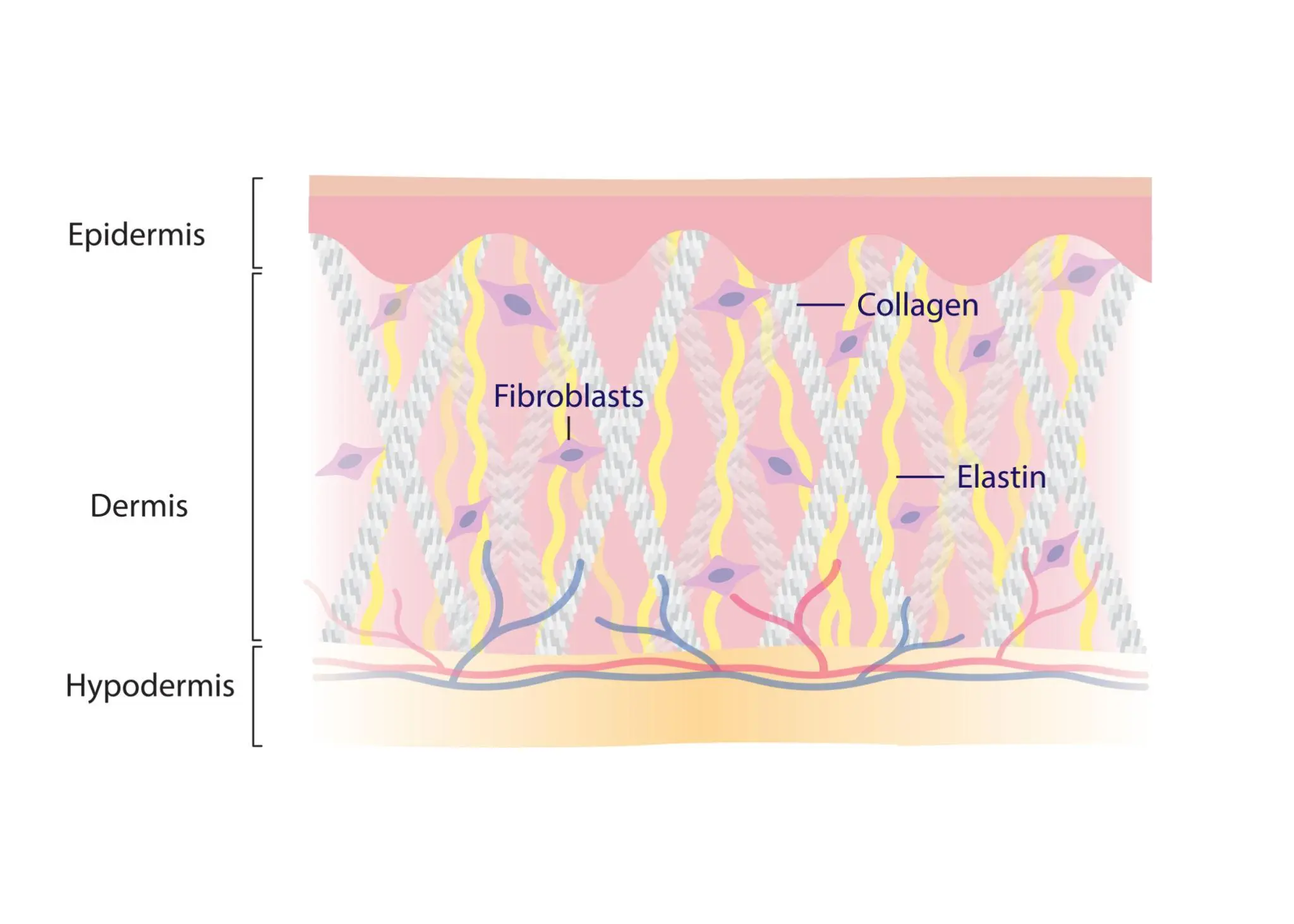
With greater ATP availability, cells can increase protein synthesis. This supports collagen formation, enzyme production, and structural tissue rebuilding. As bioelectromagnetics researcher Robert O. Becker noted, “Electrical fields are the controlling factor in the growth and regeneration of living tissues” (Becker, The Body Electric, 1985).
Microcurrents have been shown to support microvascular circulation, improving oxygen and nutrient delivery at the tissue level. Enhanced local circulation creates a more favourable environment for repair without increasing tissue stress or metabolic demand.
Research suggests microcurrents may influence inflammatory mediators, helping reduce prolonged or maladaptive inflammation. While some mechanisms remain under investigation, clinical observations consistently report reduced swelling and faster functional recovery following repeated treatments (McMakin, Clinical Perspectives on Microcurrent Therapy, 2004).
Not every mechanism is fully mapped, but clinical evidence supports improved tissue repair, neuromuscular coordination, and recovery efficiency when microcurrents are applied appropriately.