
What Are Microcurrents in Aesthetic Practice?
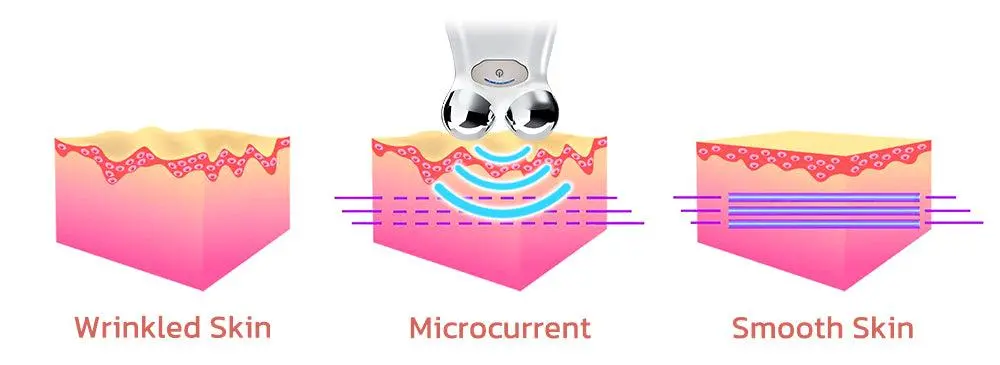
Microcurrent therapy uses electrical currents measured in microamperes. These currents are significantly lower than those used in traditional electrical stimulation devices. In many cases, they are below the sensory threshold.
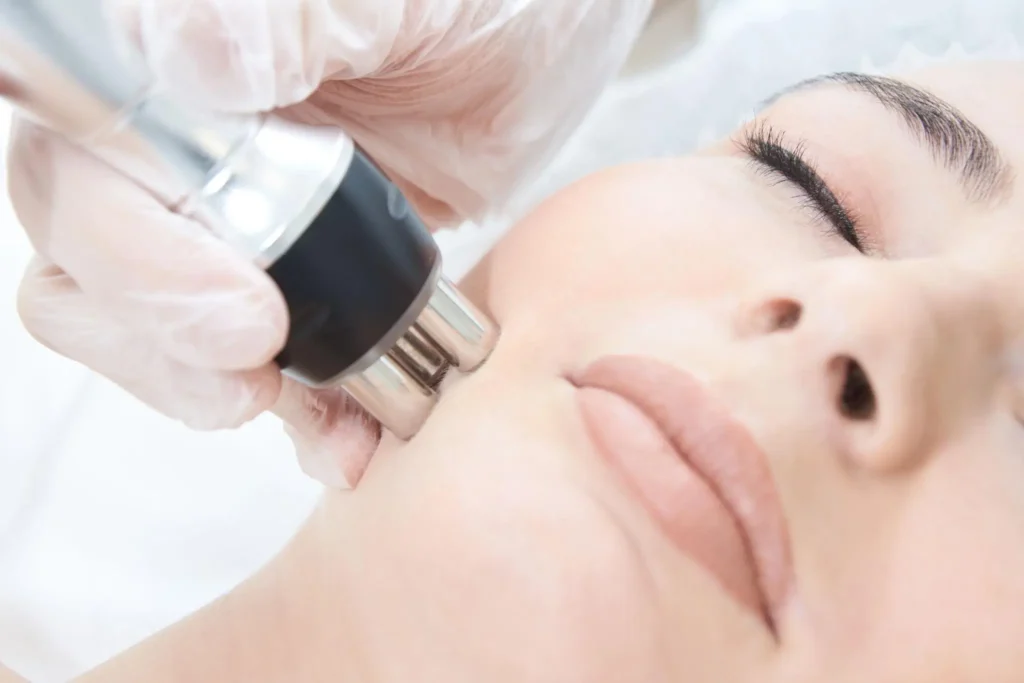
In dermatology and aesthetics, microcurrents are applied to the face and neck using handheld probes, gloves, or conductive attachments. The goal is not to force muscle contraction but to support facial muscle engagement and tissue communication.
According to a review published in Journal of Clinical and Aesthetic Dermatology, low-level electrical stimulation has been associated with improved tissue signalling and circulation when used appropriately in cosmetic settings (JCAD, Vol. 15, No. 6).
How Microcurrent Facials Work in the Real World
A professional microcurrent facial typically lasts between 45 and 75 minutes. Treatments are structured around facial anatomy rather than fixed routines. Practitioners adjust hand movements, intensity, and timing based on muscle tone, asymmetry, and skin condition.
In real clinic settings, microcurrents are frequently used for clients who experience facial tension from stress or jaw clenching. One Toronto-based medical spa reported that over 60 percent of repeat microcurrent clients initially booked treatments to address jawline tightness and facial fatigue rather than visible aging concerns.
Aesthetic educator Joanie Ernst explains, “Microcurrent treatments work best when practitioners treat muscles as functional tissue, not just aesthetic structures” (Ernst, Advanced Aesthetics Training Seminar, 2023).
Face Lifting and Toning Claims Explained
One of the most common marketing claims surrounding facial toning is lifting. While microcurrents do not create structural lifting, they can temporarily improve contour through muscle engagement, improved circulation, and short-term fluid movement.
A small clinical study published in Dermatologic Surgery found measurable improvement in facial appearance scores after a series of microcurrent treatments, though results were described as subtle and dependent on treatment frequency (Dermatologic Surgery, 2012).
In practice, clinics often position microcurrent treatments as event-driven enhancements. Clients frequently schedule sessions 24 to 72 hours before weddings, photoshoots, or public appearances.
Dermatologist Dr. Leslie Baumann notes, “Microcurrent facials are best understood as cumulative and supportive. They enhance appearance but do not replace medical or surgical interventions” (Baumann, Cosmetic Dermatology, McGraw-Hill).