

Microcurrent therapy sits at the intersection of healthcare, aesthetics, consumer technology, and business. That means people arrive with very different questions, expectations, and levels of knowledge. This Education Center is designed to meet each audience where they are, without overselling, overpromising, or drifting into medical advice.

Whether you are a consumer exploring non-invasive treatments, a clinician reviewing evidence, an aesthetician designing services, or an investor assessing market potential, this page acts as a structured learning hub that points you to the right depth of information.

Education for Patients and Consumers

What to Expect From Microcurrent Treatments

For most people, microcurrent therapy is encountered through terms like microcurrent facial or non-invasive facial treatment

Clinically, these treatments deliver very low-level electrical currents intended to stimulate skin and muscle without pain or significant sensation. Microcurrent is considered non-invasive because it does not involve incisions, needles, or anesthesia. 

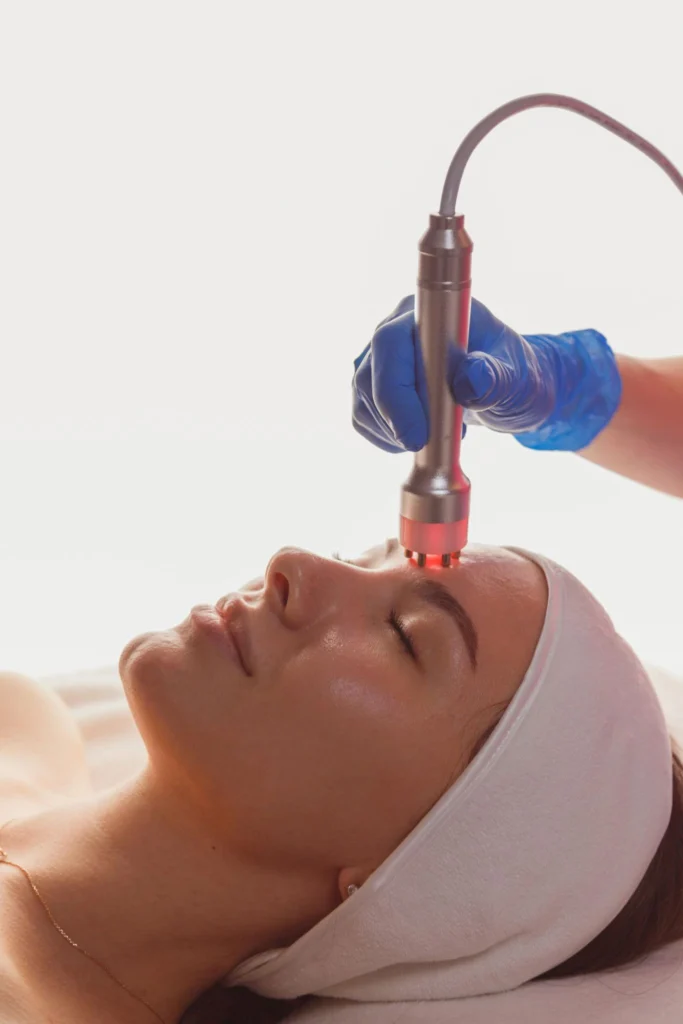
Professional microcurrent sessions typically involve applying a conductive gel on the skin and using handheld probes, gloves, or pads to deliver electrical currents across targeted areas of the face or body. Many users describe a mild tingling or tapping sensation, though some feel very little at all, especially at lower intensities. Minor side effects such as slight tingling, redness, or temporary skin sensitivity have been noted in clinical discussions. 

Typical reported session lengths vary by provider but often fall in the range of about 30 to 60 minutes for full-face treatments. Shorter or longer sessions may be used based on client goals and device settings, though there is no standard universally mandated duration reported in clinical literature.

Safety Basics Consumers Should Know

Microcurrent therapy is generally considered low risk when performed by trained professionals and with appropriate screening. Like any electrical stimulation modality, it is not appropriate for everyone. Contraindications commonly identified across clinical and professional guidance include:

  • Implanted electronic devices such as pacemakers or defibrillators, which can interact with electrical currents. 
  • Pregnancy or nursing, because safety in these populations has not been established. 
  • Seizure disorders such as epilepsy, where electrical stimulation could potentially trigger symptoms. 
  • Active cancer or significant malignancy in the area being treated. 
  • Recent surgery, open wounds, or significant skin injury at the treatment site. 

Most clinics use intake questionnaires and verbal screening to identify contraindications before treatment begins. If you are unsure whether microcurrent is appropriate, consulting a licensed healthcare professional for tailored advice is recommended.

Frequently Asked Consumer Questions

How soon will I see results?
Some people notice subtle changes immediately, such as a slight sense of increased skin smoothness or reduced puffiness. More consistent or visible changes tend to require a series of treatments applied over time.

Do results last?
Outcomes from microcurrent work are often described as cumulative and maintenance-dependent. Without follow-up or periodic sessions, the effects may diminish over weeks to months.

Does this replace injectables or surgery?
No. Microcurrent supports muscle tone and skin appearance but does not replace medical procedures such as injectables or surgical interventions. Its role is usually adjunctive or cosmetic rather than therapeutic.
Education for Clinicians

Evidence Summaries at a Glance

Clinicians evaluating microcurrent therapy commonly consider the quality and relevance of available evidence. Much of the strongest clinical research is in wound care and pain reduction contexts, not cosmetic facial applications:

  • A 2021 meta-analysis of randomized clinical trials found that electrical microcurrent therapy significantly reduced wound surface area and healing time when added to standard wound care, and was associated with reduced pain, with no increase in adverse effects compared to control.
  • Other research shows that microcurrent applied to chronic wounds can lead to significant reductions in wound size and pain scores over several weeks.
  • Narrative reviews suggest that microcurrent may promote physiological processes such as cellular repair and inflammation modulation, with few discomfort-related side effects. 

Evidence specific to aesthetic microcurrent use on healthy skin is more limited and tends to come from small clinical trials or observational reports rather than large controlled studies.

Clinical Positioning Without Overreach

Most clinicians position microcurrent as an adjunct modality rather than a standalone primary treatment. In dermatology or aesthetics, it may be combined with other procedures as part of a comprehensive maintenance or enhancement regimen. In rehabilitation environments, it may complement strategies for pain management or tissue repair. Clear documentation and ongoing assessment are key to risk management.

Best documentation practices include:

  • Defined treatment goals
  • Baseline assessments or photography
  • Progress notes
  • Informed consent that clearly outlines expected sensations, likely outcomes, and limitations

Documentation and Risk Management

Clinics using microcurrent therapy are advised to systematically record:

  • Device model and settings used for each session
  • Duration of treatment
  • Client response and subjective feedback
  • Any discomfort or adverse sensations

Consistent documentation supports continuity of care and helps reduce risk exposure in the event of unusual reactions.

Education for Aestheticians and Spas

Designing Microcurrent Services

For aestheticians and spa owners, microcurrent therapy is often positioned as a premium add-on or signature service. Successful programs focus less on dramatic promises and more on consistency, education, and retention.

Common service structures include:

  • Introductory series packages

  • Monthly maintenance memberships

  • Event-based treatments paired with hydration facials

A Toronto-based medical spa reported that microcurrent services accounted for over 30 percent of repeat bookings once clients understood the cumulative nature of results.

As one clinic owner shared, “Clients who understand microcurrent as ongoing care stay longer and refer more.”

Upsells and Bundling

Microcurrent pairs well with:

  • Hydrating serums

  • Barrier repair treatments

  • Lymphatic drainage techniques

  • LED therapy, where appropriate

Bundling improves perceived value while supporting outcomes.

Contraindications and Scope Awareness

Aestheticians must operate within the scope of practice regulations, which vary by region. Clear protocols, training certification, and referral pathways are critical.

Education for Investors and Operators

Market Context and Trends

Microcurrent therapy occupies multiple overlapping markets, including aesthetics, consumer beauty devices, rehabilitation, and wound care. This diversity creates opportunity but also fragmentation.

Global market analyses estimate the microcurrent device segment to be growing at a mid to high single-digit annual rate, driven by:

  • Aging populations

  • Increased demand for non-invasive aesthetics

  • Growth in at-home beauty technology

  • Rising chronic wound care needs

Unit Economics and Business Models

For clinics and spas, microcurrent offers strong margins due to low consumable costs and high repeat utilization. For consumer brands, recurring revenue often comes from conductive gels, replacement accessories, and subscription programs.

Medical and wound care applications introduce reimbursement complexity, which varies significantly by region and indication.

Investment Considerations

Investors often focus on:

  • At-home beauty technology platforms

  • Chronic wound care innovation

  • Hybrid models combining devices and consumables

Risks include regulatory scrutiny around claims, evidence quality variation, and commoditization in consumer devices.

Ready to Learn More?

Explore our Aesthetics and Dermatology Applications page to see how microcurrent therapy is used in real-world clinical and spa settings.

Visit How Microcurrents Work for a deeper look at the science, mechanisms, and technology behind the treatments.