
Education for Patients and Consumers
What to Expect From Microcurrent Treatments
For most people, microcurrent therapy is encountered through terms like microcurrent facial or non-invasive facial treatment.
Clinically, these treatments deliver very low-level electrical currents intended to stimulate skin and muscle without pain or significant sensation. Microcurrent is considered non-invasive because it does not involve incisions, needles, or anesthesia.
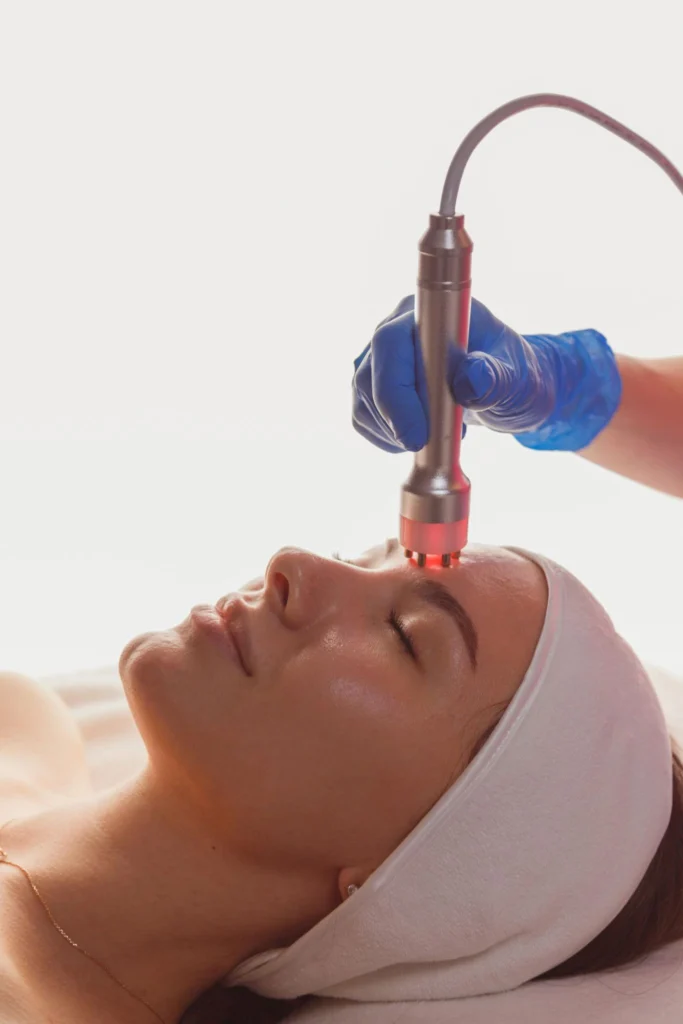
Professional microcurrent sessions typically involve applying a conductive gel on the skin and using handheld probes, gloves, or pads to deliver electrical currents across targeted areas of the face or body. Many users describe a mild tingling or tapping sensation, though some feel very little at all, especially at lower intensities. Minor side effects such as slight tingling, redness, or temporary skin sensitivity have been noted in clinical discussions.
Typical reported session lengths vary by provider but often fall in the range of about 30 to 60 minutes for full-face treatments. Shorter or longer sessions may be used based on client goals and device settings, though there is no standard universally mandated duration reported in clinical literature.
Safety Basics Consumers Should Know
Microcurrent therapy is generally considered low risk when performed by trained professionals and with appropriate screening. Like any electrical stimulation modality, it is not appropriate for everyone. Contraindications commonly identified across clinical and professional guidance include:
- Implanted electronic devices such as pacemakers or defibrillators, which can interact with electrical currents.
- Pregnancy or nursing, because safety in these populations has not been established.
- Seizure disorders such as epilepsy, where electrical stimulation could potentially trigger symptoms.
- Active cancer or significant malignancy in the area being treated.
Recent surgery, open wounds, or significant skin injury at the treatment site.
Most clinics use intake questionnaires and verbal screening to identify contraindications before treatment begins. If you are unsure whether microcurrent is appropriate, consulting a licensed healthcare professional for tailored advice is recommended.
Frequently Asked Consumer Questions
- How soon will I see results?
Some people notice subtle changes immediately, such as a slight sense of increased skin smoothness or reduced puffiness. More consistent or visible changes tend to require a series of treatments applied over time. - Do results last?
Outcomes from microcurrent work are often described as cumulative and maintenance-dependent. Without follow-up or periodic sessions, the effects may diminish over weeks to months. - Does this replace injectables or surgery?
No. Microcurrent supports muscle tone and skin appearance but does not replace medical procedures such as injectables or surgical interventions. Its role is usually adjunctive or cosmetic rather than therapeutic.